Common Food Allergy Triggers
The most common foods that can cause an allergic reaction include:
Same-day appointments frequently available!
We're excited to welcome Dr. Moak to our team! Learn more about our newest allergist and view her profile here.

An IgE-mediated food allergy occurs when a protein in a food triggers an abnormal immune response. Symptoms typically develop within minutes to a few hours after eating the food and tend to happen each time that food is consumed.
Food allergies affect up to 8% of children and 4% of adults, making them a relatively common condition. Identifying triggers and understanding your body’s response is an important first step, and many patients benefit from comprehensive allergy testing and treatment to better manage symptoms and reduce risk.
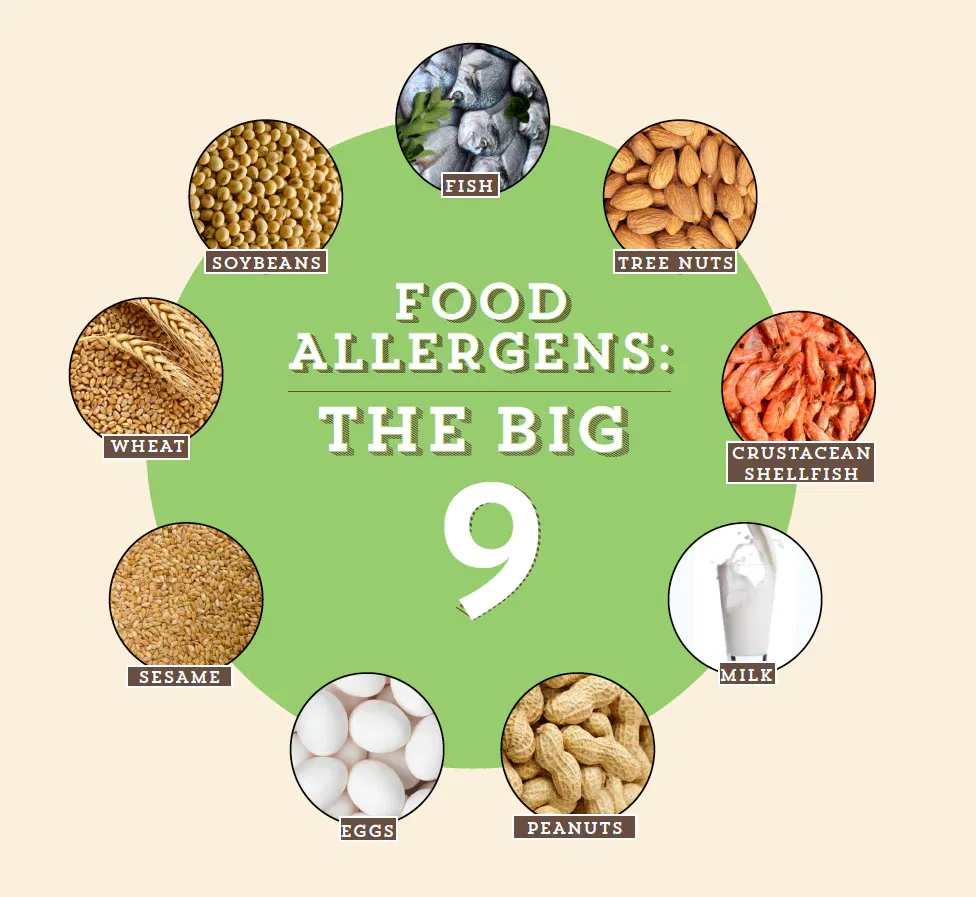
The most common foods that can cause an allergic reaction include:
Milk
Egg
Wheat
Soy
Peanut
Tree nuts
Fish
Shellfish
Sesame
If these symptoms continue for several weeks or return frequently, it may be time to explore treatment options with a specialist.
Food allergy symptoms can affect multiple systems in the body and may range from mild to severe. In some cases, a severe reaction called anaphylaxis can occur, which requires immediate medical attention.
Skin - hives, redness, itching, flushing
Mouth - itching, tingling, tongue swelling
Nose - runny nose, sneezing, congestion
Throat - tightening, hoarse voice
GI - nausea, repeated vomiting
Lungs - cough, wheezing, shortness of breath
Heart and circulation - lightheadedness, fainting, decreased blood pressure

Treatment focuses on both preventing reactions and managing symptoms when they occur.
Working with a provider experienced in ENT and allergy care helps ensure that symptoms are properly evaluated and managed, especially when food allergies overlap with other conditions such as nasal inflammation or environmental allergies.

It is important to understand what food allergies are not.

FPIES is a non-IgE-mediated food allergy that most often begins in infancy. A variety of foods can trigger reactions, and symptoms are typically delayed by 1 to 4 hours.
The most common symptom is repetitive vomiting, though more severe reactions can occur. Because symptoms are delayed, diagnosis can sometimes be more complex and may require specialized evaluation.
Pollen Food Syndrome is a mild food-related reaction that causes symptoms such as itching, tingling, or swelling of the lips, mouth, and throat shortly after eating certain foods.
Raw fruits and vegetables are the most common triggers, though nuts, seeds, and shellfish may also cause symptoms. These reactions are usually short-lived, but in rare cases, more severe symptoms can occur. This condition is often associated with underlying environmental allergies, which can be evaluated through allergy testing.

Alpha-gal syndrome is a unique type of food allergy that causes a reaction to red meat. Unlike typical food allergies, symptoms are delayed and may occur 2 to 6 hours after eating.
This condition is often linked to tick bites and can be difficult to identify without proper medical evaluation.
If you suspect a food allergy or have experienced symptoms after eating certain foods, it is important to seek professional evaluation. Early diagnosis can help prevent severe reactions and provide clarity on what foods to avoid.
Our team provides comprehensive care through our allergy services, helping patients identify triggers, understand their condition, and build a plan for long-term safety.
Food allergies can range from mild irritation to severe, life-threatening reactions. At Alabama ENT & Allergy, we specialize in identifying triggers and developing personalized care plans that help you stay safe and confident in your daily life.
From IgE-mediated food allergies to conditions like FPIES, Pollen Food Syndrome, and Alpha-gal syndrome, our team provides expert guidance every step of the way.
If you are experiencing symptoms or have concerns about food allergies, we encourage you to schedule an appointment or contact our team to get started.