← SERVICES WE OFFER

Nasal & Sinus Services

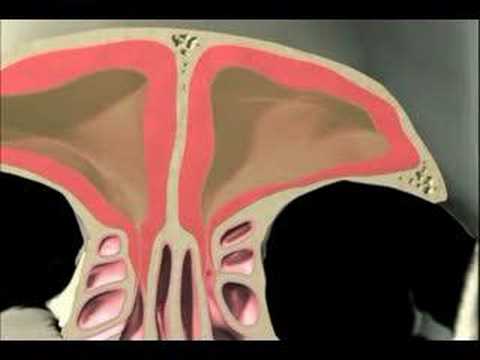
Balloon sinuplasty is one of the more exciting new techniques for chronic sinusitis that has made a significant impact on how ENT physicians treat patients, improving their quality of life. When indicated, balloon sinuplasty is a procedure that involves placing a small balloon device at the opening of the sinus. With gentle inflation of the balloon, the sinus opening can be widened.


Balloon Sinuplasty™ Benefits
& How It Works

  • Safe and less invasive than traditional surgery with no removal of bone or tissue
  • Offers a potential option for patients who fail medical management, but decline or are ineligible for traditional surgery
  • Can be performed in an office setting without the need for general anesthesia
  • Fast recovery time

**If traditional endoscopic surgery has been recommended, see if you might be a potential candidate for balloon sinuplasty™.

Functional Endoscopic Sinus Surgery (FESS)

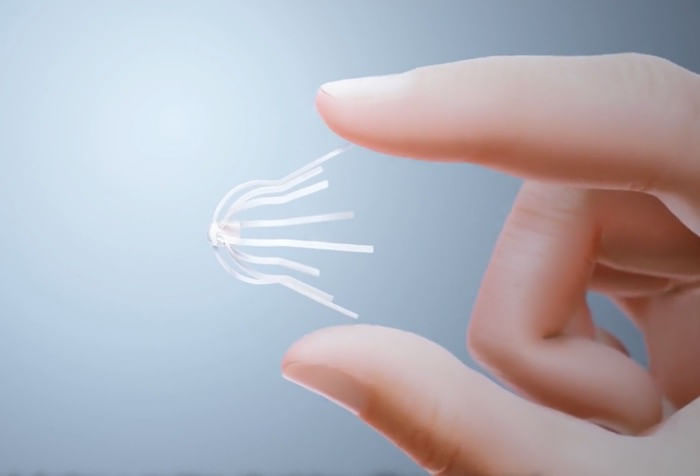
In certain cases, FESS may be recommended. Not only are the sinus outflow tracts usually compromised, but there are usually mucosal thickening and polyp formation within the sinuses themselves. Removal of this tissue is facilitated with the use of fine instrumentation utilizing endoscopes for magnified visualization. Contemporary techniques such as surgical navigation are used in most cases. Newer technologies such as PROPEL steroid eluting stents are also frequently used.

Dr. Robertson has over 20 years of experience and has performed thousands of sinus procedures.

Sinus Treatments

What are some common sinusitis treatment options?

Alabama ENT & Allergy is committed to offering a comprehensive suite of treatment options, ensuring that each patient's unique needs and health profiles are addressed effectively.

  • Treatment often starts with prescription medications. Antibiotics to combat infections, nasal corticosteroids to reduce inflammation, and antihistamines to tackle allergy-induced sinusitis are commonly prescribed. Decongestants can also help relieve symptoms, especially during acute bouts.

  • Saline solutions, administered through neti pots or squeeze bottles, can be beneficial. They help in flushing out irritants, mucus, and infectious agents from the nasal passages, offering significant relief from congestion and promoting natural sinus function.

  • In cases where recurrent sinusitis is attributed to anatomical issues or persistent polyps, surgical interventions become necessary. Modern techniques like endoscopic sinus surgery offer minimally invasive solutions, ensuring quicker recovery times and effective results.

  • For individuals whose primary trigger is allergies, allergy shots or immunotherapy may be beneficial. By gradually introducing the allergen into the body in controlled amounts, the immune system can become desensitized, reducing or eliminating sinusitis flare-ups caused by those allergens.

  • Balloon sinuplasty is a minimally invasive procedure designed to treat chronic sinusitis and improve sinus drainage. Unlike traditional sinus surgeries, balloon sinuplasty does not involve any bone or tissue removal. Instead, a small, flexible balloon catheter is inserted into the sinus passage, and once in place, the balloon is inflated. This inflation helps to expand the sinus opening, facilitating better drainage and function. The balloon is then deflated and removed, leaving the previously narrowed or blocked passages open. Due to its less invasive nature, the procedure often results in reduced pain, quicker recovery times, and fewer post-operative complications compared to traditional sinus surgeries.

  • Simple strategies, from using air purifiers and humidifiers to avoiding known allergens and practicing good nasal hygiene, can play a pivotal role in preventing sinusitis episodes. Additionally, staying hydrated and avoiding smoking can further promote sinus health.

  • Functional Endoscopic Sinus Surgery (FESS) is a common surgical approach for treating chronic sinusitis and other sinus-related issues. This procedure utilizes a nasal endoscope (a thin, flexible tube with a light and camera on the end) to visualize the sinus passages. Through this visualization, the surgeon can identify and remove obstructions, such as polyps, scar tissue, or other blockages that are contributing to chronic sinus issues. By restoring proper drainage and ventilation to the sinuses, FESS effectively alleviates symptoms of sinusitis and reduces the likelihood of future infections. As an endoscopic procedure, FESS is less invasive than traditional sinus surgeries, often resulting in faster recovery and fewer complications.

  • The PROPEL sinus stent is an innovative medical device used to maintain the open structure of the sinus passages after sinus surgery, particularly Functional Endoscopic Sinus Surgery (FESS). Made from bioabsorbable material, the stent slowly dissolves over time. As it dissolves, it releases an anti-inflammatory medication called mometasone furoate, which helps to reduce post-operative inflammation and scarring, ensuring the sinuses remain open and reducing the likelihood of polyposis or other obstructions. This dual action of physically keeping the sinus passageways open and delivering localized medication makes PROPEL sinus stents a valuable tool in post-operative sinus surgery care.

Here What Our Patients Have to Say

← SERVICES WE OFFER

Nasal & Sinus Services

Balloon sinuplasty is one of the more exciting new techniques for chronic sinusitis that has made a significant impact on how ENT physicians treat patients, improving their quality of life. When indicated, balloon sinuplasty is a procedure that involves placing a small balloon device at the opening of the sinus. With gentle inflation of the balloon, the sinus opening can be widened.