Hearing loss is common with age
About 15% of people between the ages of 45 and 65 have some moderate degree of hearing loss already. Most patients have their audiology exam performed once every few years to gauge progress.
Same-day appointments frequently available!
We're excited to welcome Dr. Moak to our team! Learn more about our newest allergist and view her profile here.

We are proud to offer access to a full-time certified and state-licensed audiologist to help address concerns related to hearing, tinnitus, vertigo, and overall balance issues.
A balance assessment, also known as a vestibular evaluation, includes a series of tests used to determine the presence of balance disorders. These conditions can cause feelings of dizziness, instability, or unsteadiness and may range from mild to severe, sometimes interfering with daily activities like walking, climbing stairs, or maintaining balance. While more common in older adults, balance disorders are increasingly seen in younger individuals as well.

Hearing tests are essential for establishing a baseline of listening ability and to help plan treatments for improvement. Hearing loss can be caused by something benign or insidious, and a trained ENT who can properly diagnose your hearing issues can make the difference between a restored, protected listening ability and further loss.
Balance testing works the same way. Your ENT provider can help determine whether a vestibular evaluation is right for you, and testing identifies which part of the balance system is involved before treatment begins.
About 15% of people between the ages of 45 and 65 have some moderate degree of hearing loss already. Most patients have their audiology exam performed once every few years to gauge progress.
Hearing loss has a tendency to creep up over time. Regular checks keep you ahead of changes before they become harder to treat.
Older adults who do not treat their hearing loss are more often left out of social events they would otherwise participate in. Hearing loss leads to isolation, as it is frequently described as an embarrassing condition.
Hearing Loss
Patients seeking hearing tests typically have some form of hearing loss that can be related to:
Balance Disorders
Balance disorders may be caused by a variety of conditions, including:


Hearing loss
For most people, hearing loss is gradual. You might not even know you have a problem until someone tells you that you are shouting or listening to music or television too loudly.
Balance disorders
Symptoms of balance disorders can vary but often include:
Once your condition is properly diagnosed, your care team can develop a personalized treatment plan to help restore balance and improve daily function.
Balance testing is safe and designed with patient comfort in mind. Some tests may temporarily increase symptoms depending on the condition being evaluated, but these effects typically pass quickly.
If you are concerned about falling or experiencing active dizziness, our team will make appropriate accommodations to ensure your testing experience is as safe and comfortable as possible. Your evaluation will be performed by experienced specialists serving patients throughout Birmingham and surrounding areas.
How to Prepare for a Balance Test
Before your appointment, your provider will give you specific instructions. Common preparation guidelines may include:
Emotions and Vestibular Issues
Research shows that while many balance disorders begin with a physical cause, long-term or chronic dizziness can also have an emotional component. Stress, anxiety, and unresolved tension can make it harder for the body’s balance system to return to normal.
Conditions such as persistent postural-perceptual dizziness (PPPD) or other long-term balance issues may improve when both physical and emotional factors are addressed together. Sharing both physical symptoms and emotional experiences with your provider can help guide a more effective treatment plan.

Your provider will review your symptoms and medical history, including when hearing changes or dizziness occur and what seems to bring them on.
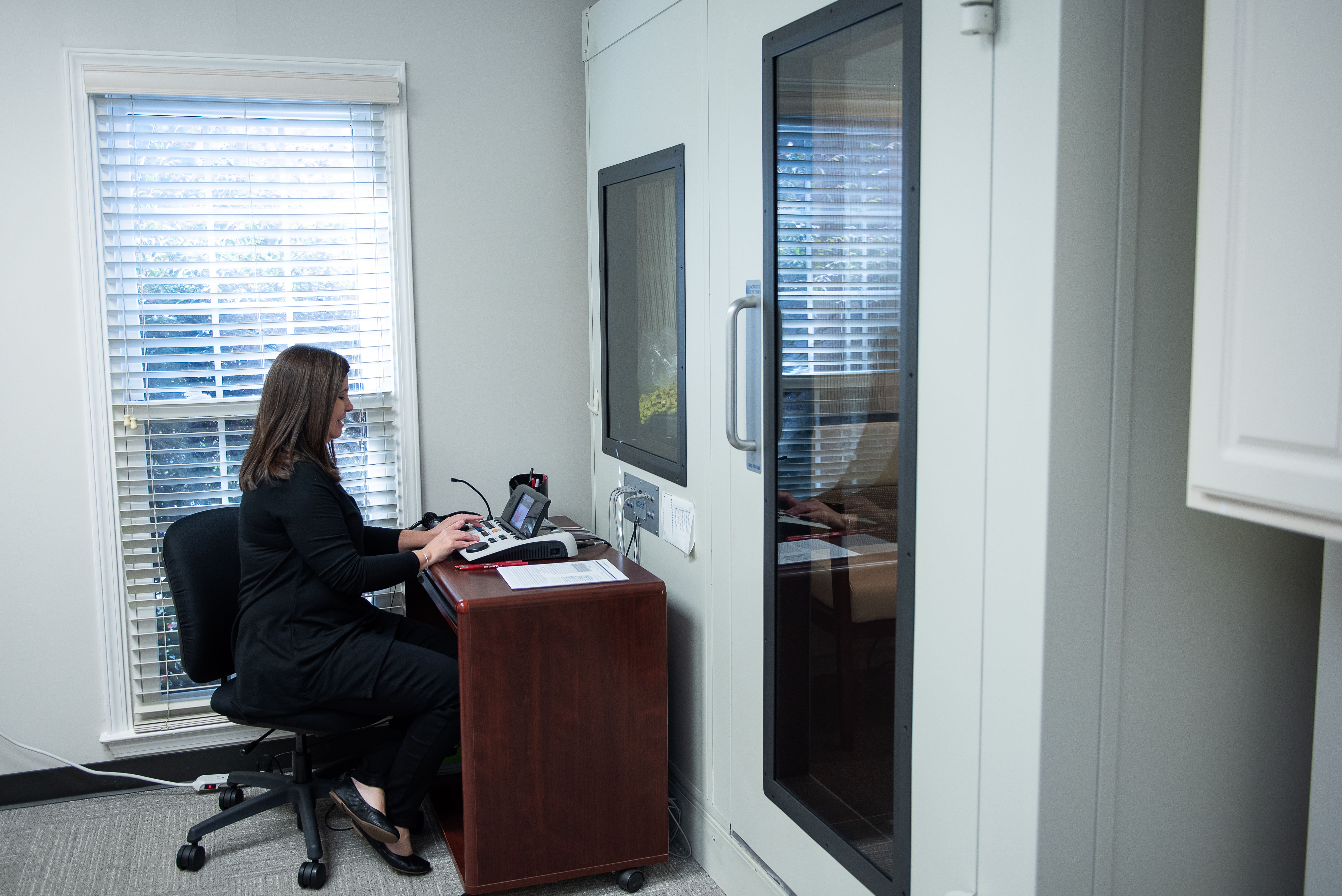
For hearing, each ear is checked in a soundproof booth where you will listen to various volumes and pitches through headphones. You may also be asked to repeat words spoken at different volumes. The hearing portion is painless and takes less than half an hour.
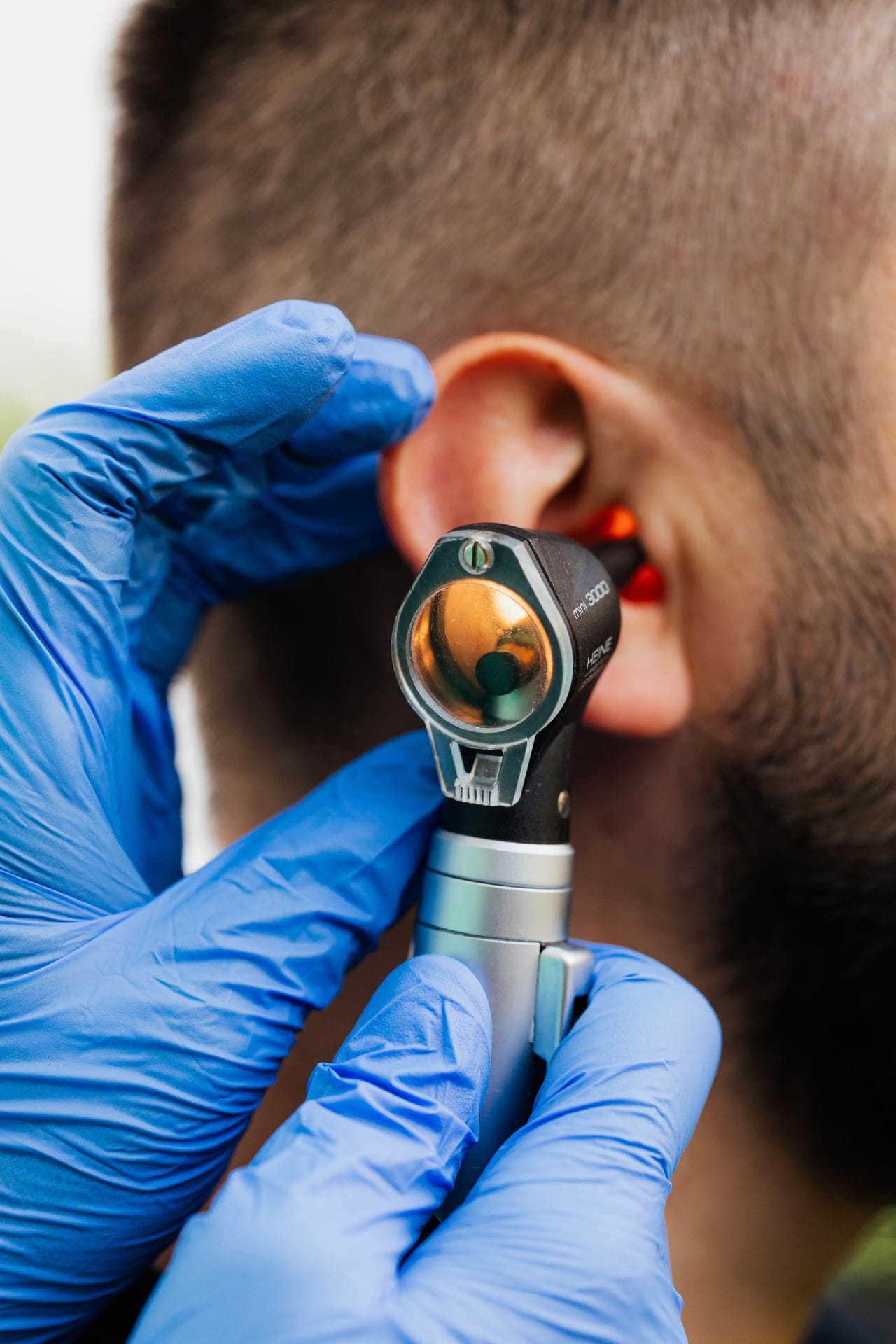
Balance testing evaluates inner ear function. Some tests may briefly increase symptoms depending on the condition being evaluated, though these effects typically pass quickly.
A hearing test is not pass-or-fail; listening quality is a spectrum, and each ear is measured in decibels. Balance results show which part of the balance system is involved.
We will review your results and create a personalized treatment plan, which may include therapy, medication, or further care through our audiology services.
Patients who have undergone a hearing test and had their results professionally evaluated will typically be given a few options for treatment, which can include:
Modern hearing aids are much smaller and function better than ever before. Some hearing aids can even fit inside your ear.
It is important to understand how to safeguard your ears and protect the hearing you still have. Your ENT doctor can educate you on the best practices to make sure your ears function well for the long run.
For some patients, surgical options are available to help restore hearing. This might involve implanting a hearing device or addressing a problem with the inner or outer ear so sound can properly travel through it.

If you're experiencing hearing loss, dizziness, or balance issues, your symptoms may be connected to an underlying condition. Our team offers comprehensive diagnostics and treatment options to address both hearing and vestibular concerns.
Tinnitus Treatment Learn how we diagnose and manage ringing or buzzing in the ears.
Vertigo Treatment Explore solutions for dizziness, spinning sensations, and balance disorders.
Hearing Aids Discover modern hearing aid options tailored to your lifestyle and level of hearing loss.
Audiology Services View all audiology services available for hearing and balance care in Birmingham.
If you’ve been experiencing dizziness, balance issues, or changes in hearing, getting the right diagnosis is the first step toward feeling better.
Contact our team or schedule an appointment today to begin your evaluation and explore the best path forward.